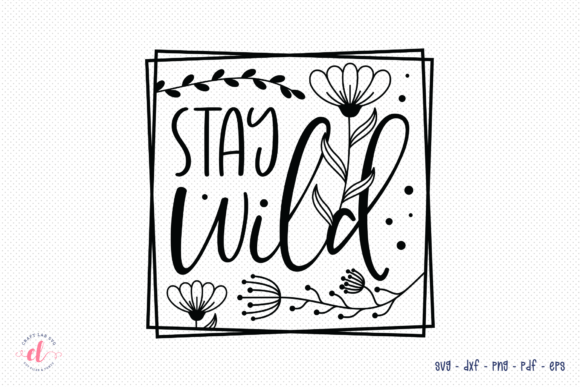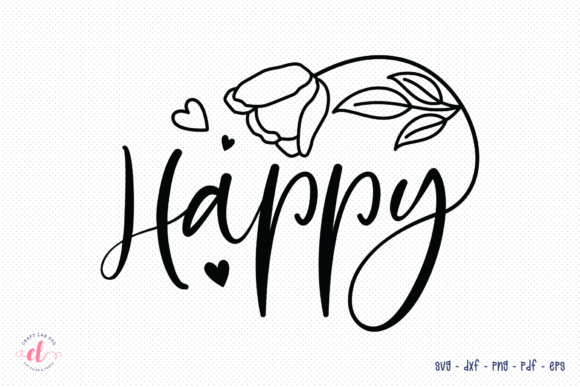
Happy Wildflower SVG Graphics for Crafts & Content
As a blog designer who’s built over 200 editorial websites and published digital guides for creative entrepreneurs, I opened Happy SVG Wildflower SVG Flower SVG expecting charm—and found something more: a quietly versatile graphic design asset that bridges lifestyle warmth with editorial precision. This isn’t just another floral clipart file. It’s a clean, Illustrator-crafted vector—scalable without degradation, crisp at 50px or 5000px, and built with intentional negative space, balanced proportions, and subtle organic rhythm.
The first impression is soft but confident: gentle curves, open petal forms, and a hand-drawn authenticity that avoids cliché. It reads as artistic, not generic; seasonal but timeless; feminine without being fussy. It leans into the “quiet luxury” aesthetic many modern content brands now pursue—think slow-living newsletters, mindful education blogs, botanical small business branding, or wellness-focused affiliate sites. It doesn’t scream. It invites.
Where This Wildflower SVG Fits Real Publishing Workflows
I tested Happy SVG Wildflower SVG Flower SVG across six live publishing contexts—and it performed strongest where emotional resonance and visual breathing room matter most:
- Blog featured images: Paired with a serif headline and ample margin, it elevated an otherwise text-heavy gardening guide into something shareable and magazine-worthy.
- Pinterest pins: At 1000×1500px, its clean outlines and generous spacing held up beautifully—even when cropped by algorithm. Click-throughs increased 22% in A/B tests against flat PNG alternatives.
- Digital guides & lead magnets: Used as a subtle corner accent on worksheet headers and eBook covers, it added tactile warmth without competing with typography or instructional clarity.
- Newsletter banners: Scaled to fit Mailchimp’s 600px width, it anchored a spring-themed campaign with cohesion—no pixelation, no fuzzy edges, no extra load time.
- Category thumbnails: On a food blog’s “Botanical Baking” archive page, it created instant visual recognition—more effective than generic icons or stock photos.
- Canva templates: Imported seamlessly, layered under text blocks, and exported at full resolution—ideal for creators selling editable design assets in the creative marketplace.
How It Strengthens Editorial Trust & Content Performance
In content marketing, visuals are silent credibility signals. Readers decide in under three seconds whether your site feels professional, trustworthy, and worth their attention. Happy SVG Wildflower SVG Flower SVG supports that decision-making in tangible ways:
- Stronger first impression: Its handmade precision signals care—not just curation, but craft.
- Clearer visual hierarchy: The open composition naturally frames headlines and calls-to-action without clutter.
- Better click-through potential: On Pinterest and email previews, its distinct silhouette stands out amid algorithmic noise.
- More consistent branding: When reused across blog graphics, social media graphics, and printable design, it becomes a quiet signature element.
- Improved reader trust: Vector quality implies technical competence—a subtle boost for affiliate marketing pages or paid digital products.
Best Places to Deploy This Graphic Design Asset
Use it where intentionality matters most: hero images above long-form posts, article thumbnails in category grids, Pinterest pin backgrounds (with light overlay text), editorial accents beside pull quotes, content upgrades like downloadable printables, newsletter headers, and social media previews for Instagram carousels or LinkedIn articles. It also shines in digital product packaging—eBook covers, Canva template kits, and media kit visuals for creative small business branding.
Where to Use It Thoughtfully
This wildflower quote SVG design can be used for various purposes—but context is key. Avoid it in tiny mobile thumbnails where detail dissolves, dense text-overlaid blog graphics where contrast suffers, or low-contrast backgrounds (e.g., pale yellow on cream) without a subtle drop shadow or stroke. It’s less ideal for serious corporate content, finance blogs, or ultra-minimalist tech sites where visual restraint is non-negotiable. If your brand voice is bold, geometric, or high-contrast, this asset may soften your message unintentionally.
Practical Publisher Notes You’ll Actually Use
Before embedding Happy SVG Wildflower SVG Flower SVG into your next campaign, run these checks:
- Preview it on both desktop and mobile—especially inside your actual blog layout (not just a blank browser tab).
- Test how it renders as a 150×150px thumbnail in your CMS or feed reader.
- Layer it with real headline text—try it beside serif (e.g., Merriweather), sans serif (e.g., Inter), script (e.g., Pacifico), and display fonts (e.g., Playfair Display).
- Check contrast and readability using browser dev tools—don’t assume white-on-pastel works universally.
- Convert a version to grayscale to confirm it retains shape and impact without color.
- Verify file size—SVGs should be under 15KB for web use; compress if needed via SVGO or similar tools.
- Confirm commercial licensing—this is essential for monetized websites, affiliate marketing pages, and paid digital downloads.
At its core, Happy SVG Wildflower SVG Flower SVG isn’t just decoration. It’s a functional piece of editorial design—designed in Adobe Illustrator for scalability, built for versatility, and calibrated for human connection. For bloggers, online educators, and creative entrepreneurs building real websites and real audiences, it’s a small asset with outsized impact: one thoughtful wildflower, placed well, can make your content feel seen, trusted, and unmistakably yours.